


Spreading Mental Health Awareness: Boosting Awareness for Mental Health in Your Community

Mental health is a vital part of our overall well-being. Yet, many people still hesitate to talk about it openly. I believe that by spreading mental health awareness, we can create a community where everyone feels supported and understood. This post will guide you through practical ways to boost awareness for mental health in your community, especially if you are seeking mental health services in Maryland or want to help others find the support they need.
How to Start Spreading Mental Health Awareness in Your Community
Starting a conversation about mental health can feel challenging, but small steps can make a big difference. Here are some ways to begin:
Host Informative Workshops: Organize local workshops or webinars that explain common mental health conditions, symptoms, and treatment options. Use simple language and invite mental health professionals to speak.
Create Safe Spaces: Encourage community centers, schools, and workplaces to set up safe spaces where people can share their feelings without judgment.
Use Social Media Positively: Share stories, facts, and resources about mental health on social media platforms. This helps reach a wider audience and normalizes the conversation.
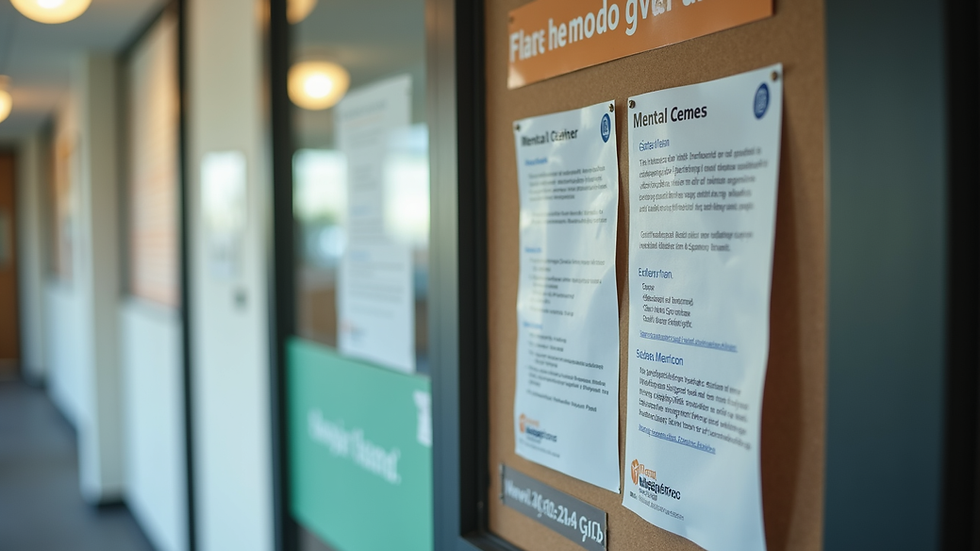
Distribute Educational Materials: Flyers, brochures, and posters in public places like libraries, clinics, and grocery stores can provide valuable information and resources.
Partner with Local Organizations: Collaborate with local health clinics, nonprofits, and religious groups to host events or campaigns focused on mental health.
These actions help build a foundation for ongoing support and understanding in your community.
Why is Good Mental Health Important?
Good mental health affects every part of our lives. It influences how we think, feel, and act daily. When mental health is strong, we can handle stress better, build healthy relationships, and make meaningful contributions to our community.
Poor mental health, on the other hand, can lead to difficulties such as:
Struggling with daily tasks
Feeling isolated or hopeless
Physical health problems
Reduced productivity at work or school
Taking care of mental health is just as important as caring for our physical health. It helps us live fuller, happier lives and supports those around us.
Practical Ways to Support Mental Health in Your Community
Supporting mental health means more than just talking about it. Here are some practical steps you can take:
Encourage Regular Check-Ins
Make it a habit to check in with friends, family, and neighbors. A simple "How are you feeling?" can open the door to important conversations.
Promote Access to Services
Share information about local mental health services, such as counseling centers and support groups. For example, Arise Health Clinic in Columbia, Maryland, offers patient-centered care that can help individuals achieve mental stability.
Organize Community Activities
Activities like group walks, yoga classes, or art therapy sessions can improve mental well-being and foster social connections.
Educate About Stress Management
Teach simple techniques like deep breathing, mindfulness, and time management to help people cope with stress.
Advocate for Mental Health Policies
Support policies that increase funding for mental health services and protect the rights of those with mental health conditions.
By taking these steps, you help create a community where mental health is valued and supported.

How to Overcome Stigma Around Mental Health
Stigma is one of the biggest barriers to seeking help. It can make people feel ashamed or afraid to talk about their struggles. Here’s how we can work together to reduce stigma:
Use Respectful Language
Avoid labels that define people by their illness. Instead of saying "crazy" or "weak," use terms like "person with a mental health condition."
Share Personal Stories
When people share their experiences, it helps others understand that mental health challenges are common and treatable.
Educate the Community
Host talks or distribute materials that debunk myths about mental illness.
Encourage Empathy
Remind everyone that mental health issues are not a choice and that kindness can make a big difference.
Highlight Recovery
Focus on stories of hope and recovery to inspire others to seek help.
Reducing stigma creates a safer environment where people feel comfortable reaching out for support.
Building a Supportive Network for Mental Health
A strong support network is essential for mental well-being. Here’s how you can help build one in your community:
Connect People to Resources
Help individuals find therapists, support groups, or crisis hotlines.
Train Community Leaders
Equip teachers, religious leaders, and employers with basic mental health knowledge so they can offer support.
Encourage Peer Support
Peer groups where people share experiences and coping strategies can be very effective.
Promote Family Involvement
Families play a key role in recovery. Encourage open communication and education for family members.
Create Volunteer Opportunities
Volunteers can assist with outreach, event planning, and providing companionship to those in need.
Together, these efforts create a web of care that strengthens mental health for everyone.
Taking the Next Step Toward a Healthier Community
Boosting awareness for mental health is a journey we all share. By taking small, consistent actions, we can make a lasting impact. Whether it’s starting a conversation, sharing resources, or simply listening, every effort counts.
If you or someone you know is looking for support, remember that help is available. Clinics like Arise Health Clinic in Columbia, Maryland, are dedicated to providing compassionate, high-quality care tailored to individual needs.
Let’s continue to spread hope, understanding, and support. Together, we can build a community where mental health is respected and nurtured.


Comments